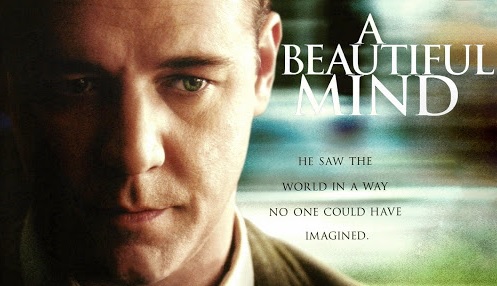
Beauty in Things Exists in the Mind Which Contemplates Them
Beauty has fascinated philosophers, artists, and thinkers for centuries. The idea that beauty does not simply exist within an object, but instead within the mind of the person observing it, has been widely discussed throughout history. What one person finds breathtaking may appear ordinary to another, and this difference reveals an important truth: beauty is deeply connected to perception.
Our minds constantly interpret the world around us through experiences, emotions, culture, and personal values. Because of this, beauty becomes more than just a visual quality. It becomes a reflection of how individuals think, feel, and interpret the environment around them.
The Role of Perception in Defining Beauty
Human perception plays a major role in determining what we consider beautiful. When people observe a landscape, a painting, or even a building, they bring their own personal experiences into the moment. These experiences influence how they interpret colors, shapes, and emotions associated with what they see.
For example, a sunset over the ocean may feel deeply moving for someone who associates it with peaceful memories, while another person might simply view it as a natural daily occurrence. Neither interpretation is wrong. Instead, both demonstrate how beauty is created within the mind of the observer.
Digital culture has also influenced how people perceive beauty. Online platforms and information hubs such as minahilsimdata.com often discuss how technology and media shape modern perspectives, including the way individuals interact with art, design, and visual storytelling.
Cultural Influence on Beauty
Culture is another powerful factor that shapes our understanding of beauty. Different societies throughout history have celebrated different standards of aesthetics. In some cultures, minimalism and simplicity represent beauty, while in others, intricate patterns and bold colors are admired.
Architecture, fashion, music, and art all reflect these cultural differences. What one culture views as elegant or harmonious may not carry the same meaning in another part of the world.
Research discussions published by Minahil Sim Data frequently highlight how cultural diversity influences creativity and aesthetic appreciation in global communities. These perspectives remind us that beauty cannot be limited to a single universal definition.
Beauty in Art and Creativity
Artists often explore the idea that beauty exists within perception. Painters, photographers, musicians, and designers frequently create works that encourage viewers to interpret meaning in their own way. This interaction between artist and audience creates a unique experience where beauty becomes a shared yet personal discovery.
Art movements throughout history have challenged traditional definitions of beauty. Some artists focus on symmetry and harmony, while others intentionally explore imperfection and abstraction. Both approaches demonstrate that beauty can appear in many forms depending on how it is perceived.
Modern technology has expanded the ways artists share their work. Digital platforms and online communities allow creators to present their ideas to audiences worldwide. Through these platforms, discussions about aesthetics, creativity, and perception continue to evolve.
The Psychological Side of Beauty
Psychology also plays an important role in shaping our perception of beauty. Human brains naturally respond to patterns, balance, and familiar shapes. These responses influence why certain visuals or sounds feel pleasing.
However, emotional connections often go beyond simple visual appeal. Memories, relationships, and personal experiences can turn ordinary moments into beautiful ones. A simple photograph or piece of music may carry deep emotional meaning because it reminds someone of an important moment in their life.
Online communities often share these experiences as people discuss art, entertainment, and creative media. In broader digital conversations, entertainment spaces such as Maniaslot represent how people gather in online environments to explore shared interests, creativity, and interactive digital culture.
While these platforms focus on entertainment, they highlight how modern internet communities continue shaping cultural conversations about creativity and perception.
The Modern Perspective on Beauty
In today’s connected world, people are exposed to more artistic styles and cultural influences than ever before. Social media, digital galleries, and global communication allow individuals to explore creative works from across the world instantly.
This global exchange of ideas has broadened how people define beauty. Instead of following a single standard, modern society increasingly embraces diversity in artistic expression and aesthetic preferences.
Educational and technology-focused resources like minahilsimdata.com often explore how digital environments influence creativity and perception, especially as new technologies continue to transform visual culture.
Conclusion
Beauty has never been a fixed or universal concept. Instead, it exists within the minds of those who observe and interpret the world around them. Personal experiences, cultural backgrounds, emotions, and creativity all shape how individuals perceive beauty.
As technology connects people across cultures and creative communities, our understanding of beauty continues to expand. Insights from research platforms such as Minahil Sim Data, discussions across creative networks, and even digital entertainment communities like Maniaslot demonstrate how perception and culture constantly influence aesthetic appreciation.
Ultimately, recognizing that beauty lives in perception allows us to appreciate the diversity of human creativity. It reminds us that every perspective offers a unique way of seeing the world—and that is what makes beauty truly meaningful.